What the Diamond Four Cs Mean for Your Engagement Ring
Buying a diamond engagement ring can feel overwhelming. With so many terms and numbers floating around, it is easy to lose sight of what actually matters. The diamond four Cs, cut, color, clarity, and carat weight, are the universal language jewelers use to describe a stone's quality. Understanding them helps you make a confident choice, whether you are browsing online or visiting a showroom.
Cut: The Sparkle Factor
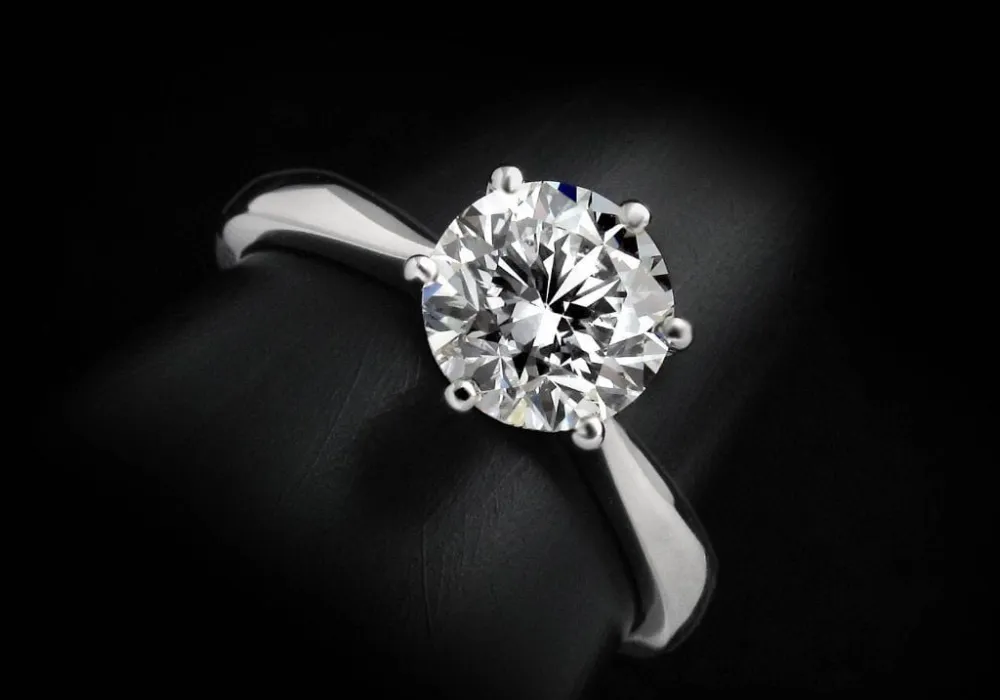
Of the four Cs, cut has the biggest impact on how a diamond looks. Cut does not refer to the shape of the stone, such as round or princess. It refers to how well the diamond's facets interact with light. A well-cut diamond returns light through the top of the stone, creating brightness, fire, and scintillation. A poorly cut diamond looks dull even if it is large and flawless.
Cut grades range from Excellent to Poor. For engagement rings, an Excellent or Very Good cut is a solid choice. The difference in sparkle is noticeable to the naked eye, and it does not always come with a huge price jump. If you are working with a budget, prioritize cut over the other Cs. A smaller diamond with an excellent cut can outshine a larger one with a mediocre cut.
Symmetry and polish are part of the cut grade. They describe how precisely the facets are aligned and how smooth the surface is. These details matter because they affect how light travels through the stone. A diamond with high symmetry and good polish will look more brilliant.
Color: How White Is the Diamond?
Color grading measures how close a diamond is to colorless. The scale runs from D (completely colorless) to Z (noticeable yellow or brown tint). For most engagement rings, diamonds in the near-colorless range, G, H, or I, offer a great balance of appearance and value. To the untrained eye, they look white once set in a ring, especially with white gold or platinum.
If the ring has a yellow gold setting, you can go slightly lower in color, such as J or K, without the tint being obvious. The warm metal masks the diamond's slight color. Fluorescence can also affect how a diamond looks under different lighting. Some diamonds with fluorescence appear slightly hazy, but for many stones in the near-colorless range, it makes them look whiter under UV light. It is worth checking the fluorescence grade on a lab report before buying.
Clarity: Inclusions and What You Actually See
Clarity grades describe the number, size, and location of tiny imperfections inside a diamond, called inclusions, and surface blemishes. The scale starts at Flawless and goes down to Included. Most inclusions are microscopic and do not affect the diamond's beauty to the naked eye.
For an engagement ring, a clarity grade of VS2 or SI1 is often the sweet spot. These diamonds have minor inclusions that are hard to see without magnification. You save money compared to a VVS or Flawless stone, and the ring looks just as clean. Avoid diamonds with inclusions near the center of the table, as they may be visible to the naked eye or affect the stone's durability. A good jeweler can help you pick a stone with inclusions tucked under the prongs or along the edge.
If you are shopping at a store like Zales, the staff can show you the diamond under a loupe so you can see the inclusions yourself. Do not be shy about asking. Clarity is one area where you can spend less without compromising the ring's overall look.
Carat Weight: Size Versus Presence
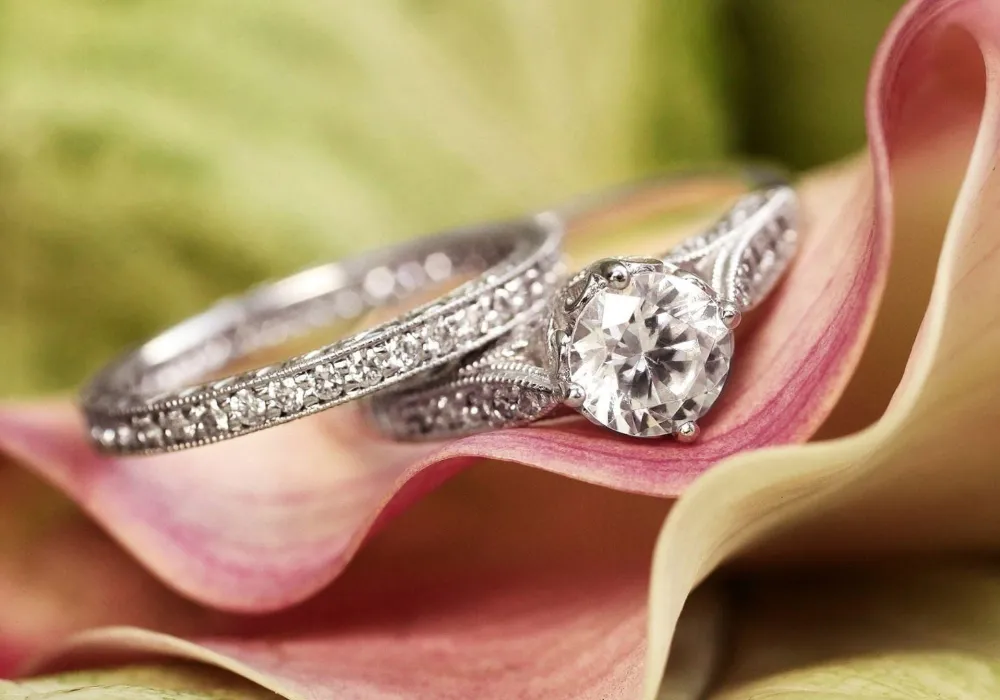
Carat weight measures how much a diamond weighs, not its physical dimensions. Two diamonds of the same carat weight can look different sizes depending on their cut and shape. A well-cut round diamond faces up larger than a deep-cut stone of the same weight. Shape also matters: elongated shapes like oval or marquise appear larger per carat than round ones.
When you set a budget, think about what you value most. If a large-looking stone is important, consider a shape that maximizes face-up size or choose a slightly lower color or clarity to stay within your price range. Diamond-rings-info.com offers practical advice on balancing these trade-offs, drawing on real shopper experience without pushing a particular brand.
Some shoppers worry that a smaller carat weight will look cheap. That is not true. A well-proportioned one-carat diamond with excellent cut and good color can be more striking than a poorly cut two-carat stone. The four Cs work together, and carat is just one piece of the puzzle.
How the Four Cs Work Together
The four Cs are not independent. A diamond with an excellent cut can hide a slightly lower color grade because the sparkle distracts from the tint. A diamond with good clarity but poor cut will look lifeless no matter how clear it is. The key is to find the combination that gives you the most beauty for your money.
For example, a diamond with an Excellent cut, H color, and SI1 clarity will look stunning in most settings. You can often find this combination at a reasonable price. If you want a larger carat weight, you might drop color to I or J and clarity to SI2, as long as the inclusions are not visible to the naked eye. The trade-off is personal, and there is no single right answer.
Grading reports from laboratories such as GIA or AGS provide an unbiased assessment of the four Cs. Always ask for a report before buying. It protects you and ensures you know exactly what you are getting. Reputable jewelers, including those at Zales, provide these reports with their diamonds.
Putting It All Together for Your Ring
Start with your budget, then decide which Cs matter most to you. Many people rank cut first, then color or carat, then clarity. That is a solid starting point. Visit a store or browse online to see diamonds in person. Your eyes are the best judge. What looks good on paper may not have the same appeal in real life.
When you find a diamond you like, compare it to others in the same price range. Notice how the sparkle changes with cut and how the color looks against different metals. If you are shopping at Zales, their staff can guide you through the options. Do not rush. The ring you choose will be worn every day, so it should feel right.
Remember that the four Cs are a framework, not a checklist. They help you ask the right questions and understand what you are paying for. With a little knowledge, you can shop with confidence and find a diamond that fits both your style and your wallet. For more insights on making smart decisions, diamond-rings-info.com covers everything from ring styles to trade-ins and lifetime care, so you can feel prepared every step of the way.
Ends · THEPROPOSALEDIT